

World of Warcraft (WoW) is renowned for its vast and immersive world, and a significant part of that immersion comes from its expertly crafted maps. From dense jungles to sprawling cities, WoW’s map design subtly guides players through exploration and storytelling without relying heavily on in-your-face directions. This seamless navigation is no accident—it’s the result of meticulous design choices that ensure players are both engaged and oriented. Here’s a look at how Blizzard’s map design masters the art of subtle guidance.
Visual Landmarks as Navigation Tools
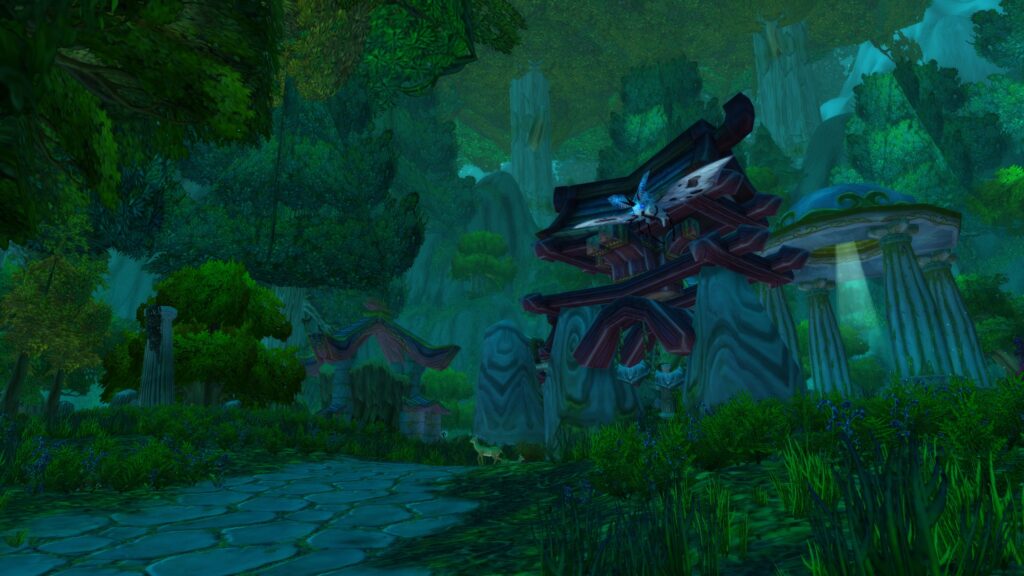
One of the most effective techniques in WoW map design is the use of visual landmarks. These prominent features help players orient themselves and find their way without needing to constantly check their map.
Examples of Landmarks:
- Icecrown Citadel: The towering fortress dominates the landscape of Icecrown, acting as a constant reference point.
- The Dark Portal: Its glowing energy and massive structure make it unmissable, guiding players through the Blasted Lands.
- Thunder Bluff’s Mesas: The verticality and distinctive design of the mesas ensure players always know they’re in Mulgore.
These landmarks not only aid navigation but also reinforce the identity and atmosphere of each zone.
Pathways and Zone Design
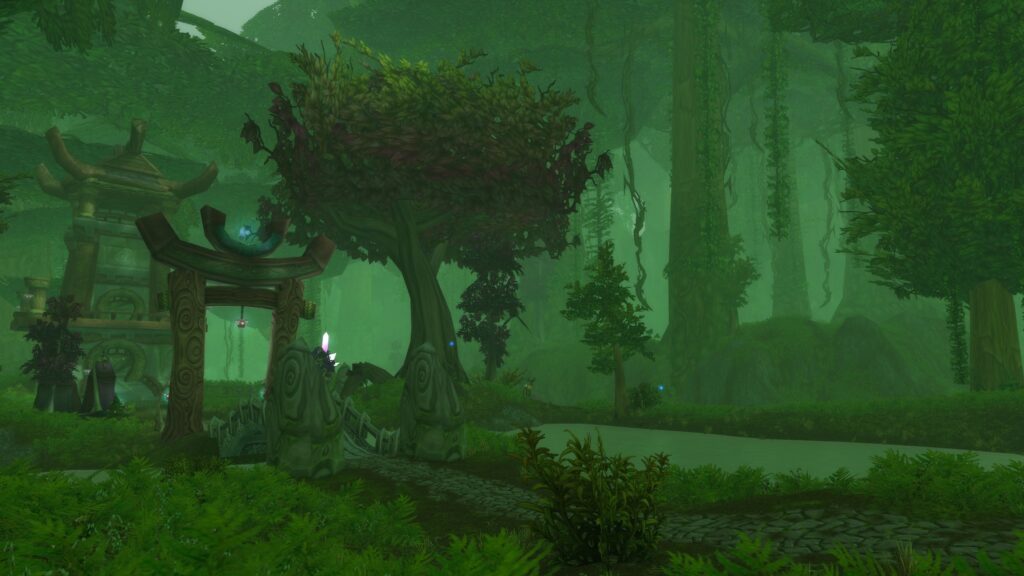
Blizzard’s map designers use pathways and natural barriers to subtly direct players through zones. These elements guide movement while maintaining a sense of freedom and exploration.
Design Techniques:
- Natural Corridors: Rivers, cliffs, and forests create intuitive paths without feeling restrictive.
- Progressive Difficulty: Enemy levels and density increase as players venture deeper into a zone, signaling progression areas.
- Quest Hubs: Strategically placed hubs act as waypoints, encouraging players to explore surrounding areas methodically.
These subtle cues ensure players always have a sense of direction, even in unfamiliar zones.
Storytelling Through Environment
WoW’s maps aren’t just functional—they’re also rich with environmental storytelling. Each zone tells a story through its design, encouraging players to explore and uncover its secrets.

Story-Driven Design Features:
- Ruins and Relics: Zones like Stranglethorn Vale and Tanaris are littered with ancient ruins that hint at forgotten civilizations.
- Battle Scars: Areas like the Broken Shore bear visible marks of epic battles, immersing players in the ongoing conflict.
- Cultural Details: Cities like Silvermoon and Orgrimmar reflect the architectural styles and values of their respective races.
By weaving narrative elements into the environment, WoW’s map design enhances the sense of immersion and discovery.
Encouraging Exploration
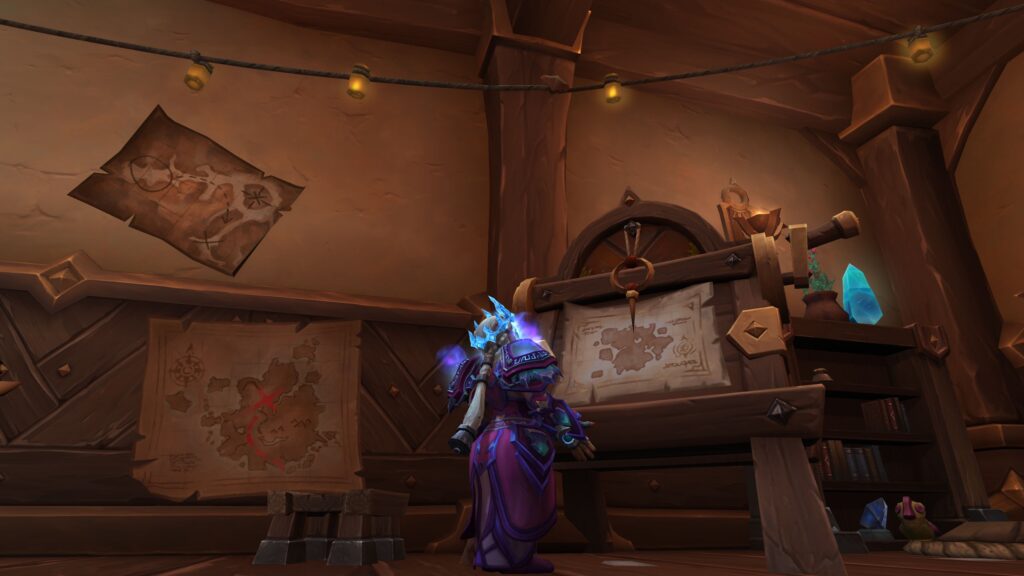
WoW’s maps are designed to reward curiosity, enticing players to venture off the beaten path. Hidden treasures, rare spawns, and Easter eggs are scattered throughout the world, encouraging exploration.
Exploration Rewards:
- Treasures: Hidden chests in zones like Zuldazar and Nazjatar reward adventurous players with valuable loot.
- Rare Spawns: Creatures like Time-Lost Proto-Drake offer unique rewards for players who explore remote areas.
- Secrets: Puzzle-based mounts like Lucid Nightmare require players to engage deeply with the world and its design.
This approach ensures that exploration feels rewarding and meaningful, enriching the player experience.
Conclusion
The art of map design in WoW lies in its ability to guide players subtly while fostering a sense of adventure. Through visual landmarks, intuitive pathways, environmental storytelling, and hidden rewards, Blizzard has created a world that feels alive and engaging. This seamless integration of function and immersion is a testament to WoW’s enduring appeal, making Azeroth a place players are eager to explore time and time again.
Home