
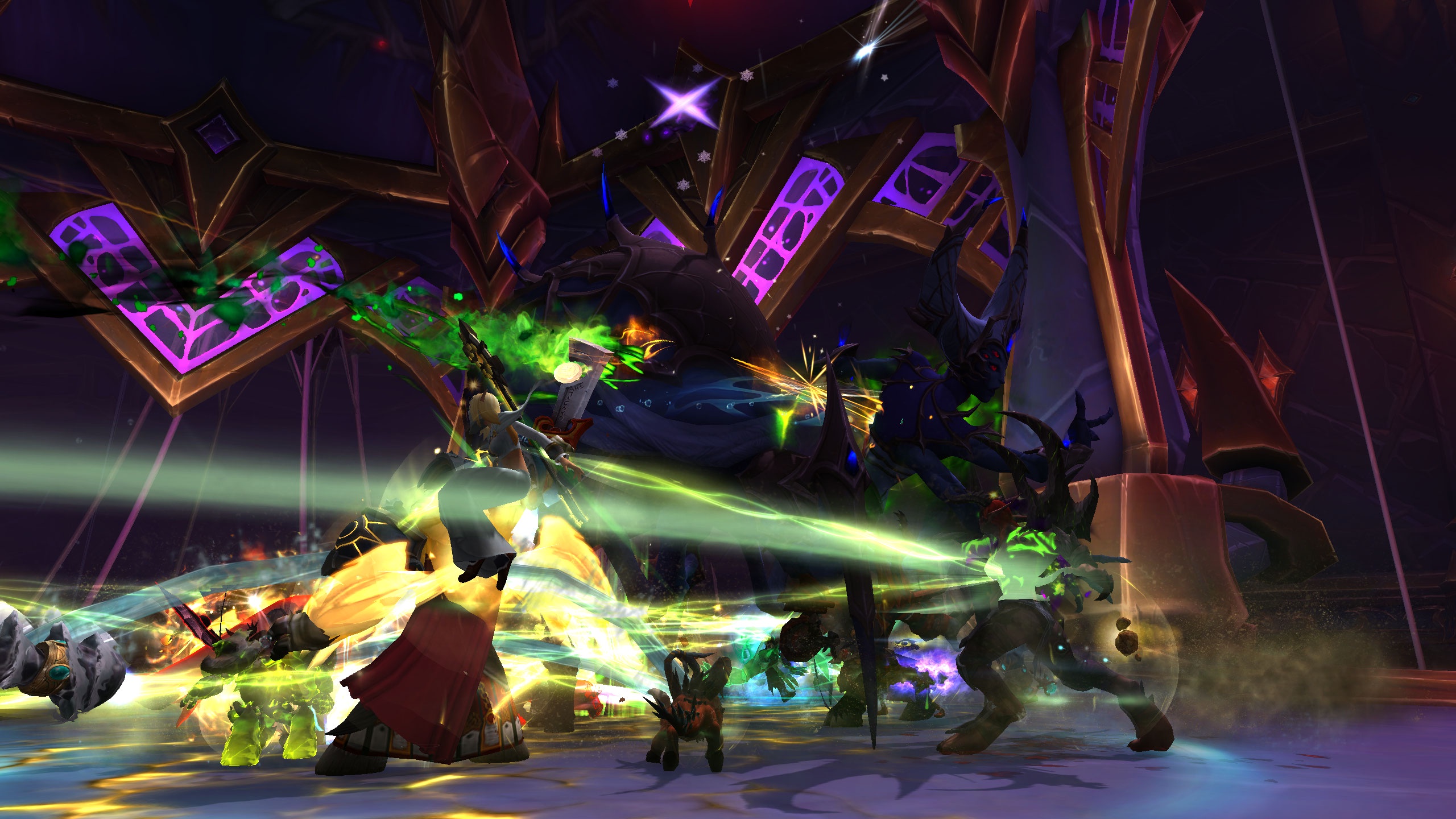
World of Warcraft (WoW) is widely regarded as one of the most immersive multiplayer experiences in the gaming world. One of the key reasons for this is its intricate multiplayer systems, which encourage collaboration, competition, and a deep sense of community. These systems allow players to connect, work together, and face challenges that are much more impactful when tackled with others. From guilds and dungeons to raids and world events, WoW’s multiplayer systems create a dynamic and engaging environment. Let’s explore how these systems contribute to the immersive experience of Azeroth.
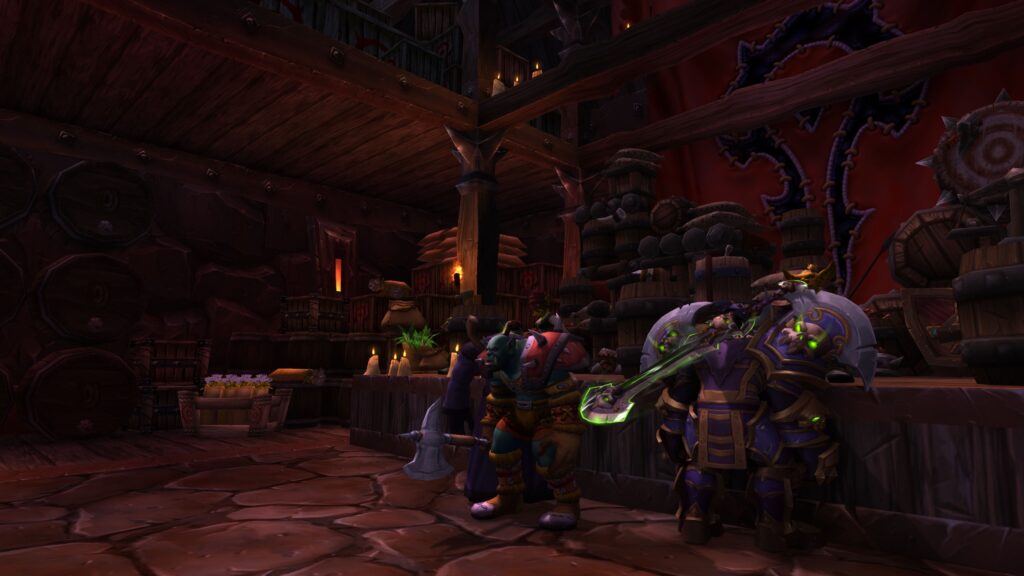
Guilds: Building Communities
Guilds are a central feature of WoW’s multiplayer experience, and they play a huge role in creating a sense of community within the game. Guilds are groups of players who come together to share resources, tackle in-game challenges, and form lasting social connections. The ability to create and manage a guild provides players with the opportunity to shape their own social environment.
Guilds offer a variety of benefits, including access to shared resources, group events, and exclusive perks. The close-knit bonds formed within guilds often extend beyond the game, with players forging friendships that last for years. The social aspect of guilds is a major contributor to WoW’s immersive experience, making players feel like they are part of something bigger than just the game itself.
Group Content: Dungeons and Raids
Group content such as dungeons and raids are core aspects of WoW’s multiplayer design, and they play a significant role in fostering teamwork. These challenging activities require cooperation, communication, and strategy, offering a truly immersive experience where the actions of every member contribute to the success or failure of the group.
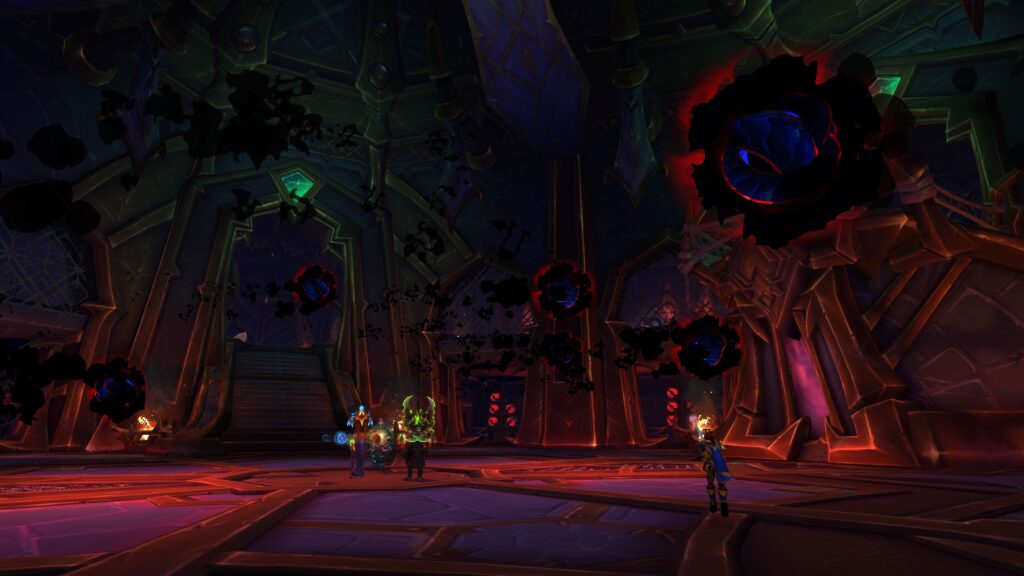
In dungeons, players tackle predefined challenges, often with complex mechanics that require coordination to overcome. Raids, on the other hand, are larger-scale, multi-phase events where groups of up to 25 players must work together to defeat some of Azeroth’s most powerful bosses. The sense of accomplishment when overcoming these difficult challenges, especially with a well-coordinated team, is one of the most rewarding aspects of WoW’s multiplayer experience.
World Events: Bringing Players Together
WoW frequently features world events that bring players from all realms together to participate in large-scale activities. These events, such as the Darkmoon Faire, Invasions, and seasonal celebrations, provide opportunities for players to interact with each other, often in a competitive or cooperative setting.
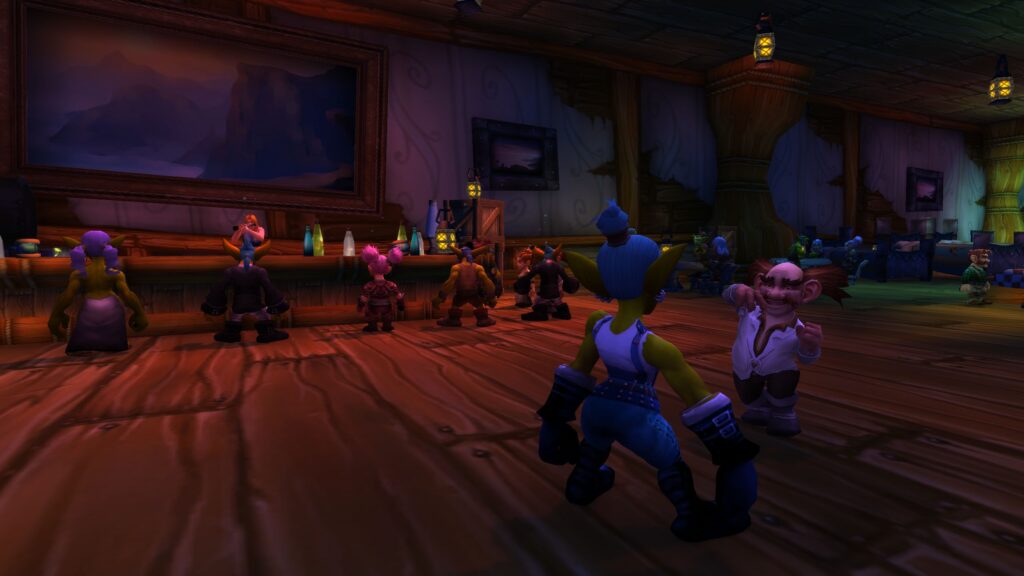
World events often feature special quests, limited-time rewards, and community-wide objectives that encourage participation from both casual and hardcore players. The shared nature of these events fosters a sense of unity, as players join forces to tackle challenges that they wouldn’t encounter in their typical solo or guild-based activities.
Player vs. Player (PvP): Competitive Immersion
For players who enjoy competition, WoW’s Player vs. Player (PvP) systems offer a highly immersive experience. Whether in battlefields, arenas, or open-world PvP zones, the thrill of competing against other players adds a unique dynamic to the game. WoW’s PvP systems provide a way for players to test their skills and strategies against others in a fair but challenging environment.
Whether participating in organized battlegrounds or engaging in spontaneous world PvP, the intensity of facing off against another player adds an element of unpredictability and excitement. The stakes in PvP are always high, and victories or defeats can have lasting implications for a player’s reputation, ranking, and sense of achievement.
Dynamic Economy: Trade and Interaction
WoW’s in-game economy is another facet of its multiplayer systems that contributes to the immersive experience. Through the auction house, crafting, and gathering professions, players are constantly interacting with one another to trade goods, services, and resources. This dynamic economy provides players with opportunities to specialize in certain professions, accumulate wealth, and barter with others to obtain rare or valuable items.
The in-game economy encourages social interaction between players, whether through buying and selling, trading materials for crafting, or forming groups for farming specific resources. The fact that WoW’s economy operates in real-time and is influenced by the actions of players helps make the world of Azeroth feel like a living, breathing entity.
Conclusion
World of Warcraft’s multiplayer systems are integral to its success as an immersive experience. From guilds and group content to world events, PvP, and the dynamic economy, WoW creates a virtual world where social interaction, cooperation, and competition drive the gameplay. These systems allow players to forge meaningful connections, collaborate on complex challenges, and compete for dominance. WoW’s multiplayer aspects go far beyond simply playing with others; they create a living world that feels real and engaging, drawing players in and keeping them immersed in the adventure of Azeroth.
Home