

Open-world endgame zones have evolved far beyond simple daily task hubs. Modern zone design introduces layered mechanics, escalating difficulty, and failure consequences that mirror the pressure found in raids and dungeons. Players entering these zones must approach them with the same awareness and preparation expected in instanced content.
This shift has redefined expectations. Open-world endgame is no longer a place to disengage mentally; it demands positioning, cooldown planning, and mechanical execution. The absence of loading screens does not mean the absence of challenge.
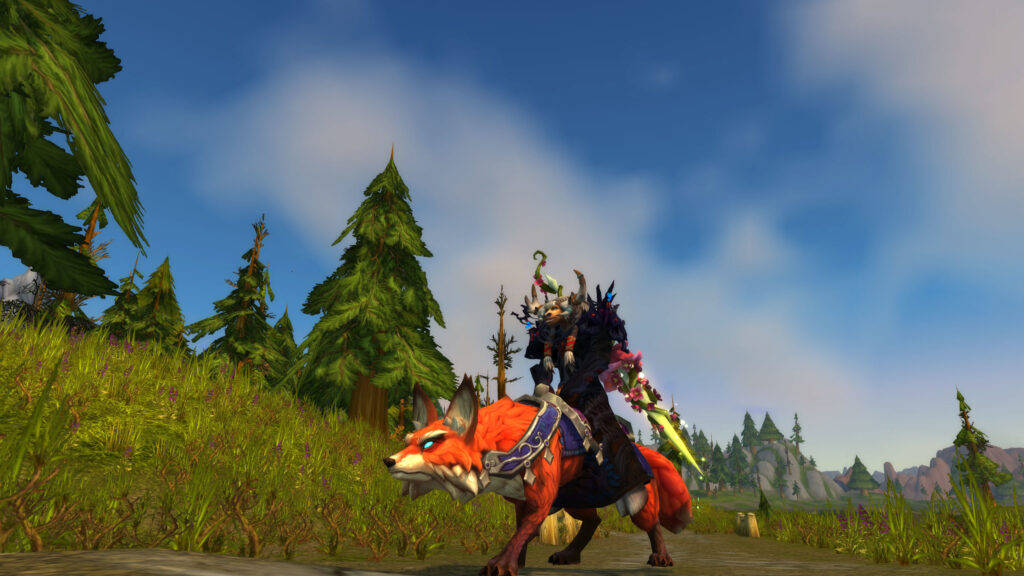
Scaling Systems Create Persistent Threat
Dynamic scaling ensures enemies remain dangerous regardless of gear progression. Health, damage, and mechanic intensity adapt to participation levels, preventing content from becoming trivial over time.
This sustained threat keeps players engaged. Even well-geared characters must respect mechanics, manage cooldowns, and avoid overpulling, mirroring the discipline required in structured encounters.
Mechanical Density Matches Instanced Design
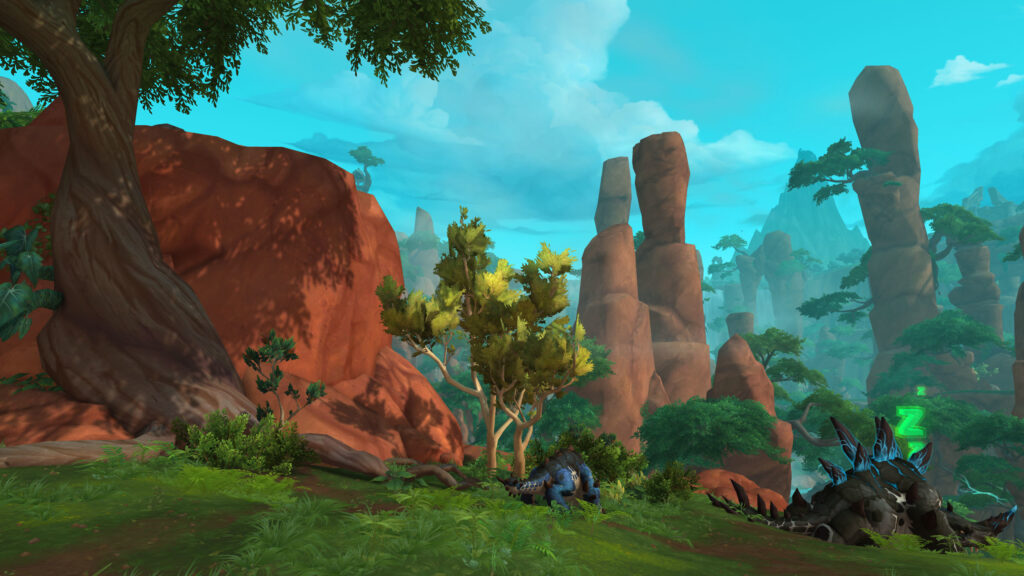
Elite enemies and zone events frequently combine movement checks, interrupts, and area denial mechanics. These layers force players to read situations carefully instead of relying on raw output.
Failure is punished through deaths, resets, or lost objectives. This consequence-driven design aligns open-world play with instanced expectations, where mistakes carry real cost.
Group Coordination Emerges Organically
Although grouping is often optional, difficult encounters naturally encourage cooperation. Players adapt roles on the fly, covering interrupts, crowd control, and recovery without formal assignments.
This organic coordination tests awareness and adaptability. Success depends less on fixed roles and more on shared responsibility and situational awareness.
| Design Element | Open-World Execution | Instanced Parallel |
|---|---|---|
| Enemy scaling | Dynamic participation-based | Fixed difficulty tiers |
| Mechanic overlap | Event-driven stacking | Phase-based pressure |
| Failure consequence | Objective loss | Wipe/reset |
| Coordination | Spontaneous roles | Assigned roles |
Challenge Without Scheduling Pressure
One of the defining strengths of open-world endgame zones is accessibility. Players experience high difficulty without committing to fixed group schedules or long sessions.
This balance allows sustained engagement. Players can test skill, execution, and endurance in short bursts while still facing content that demands respect.
Conclusion
Open-world endgame zones now deliver challenge comparable to instanced content through scaling difficulty, layered mechanics, and real consequences for failure.
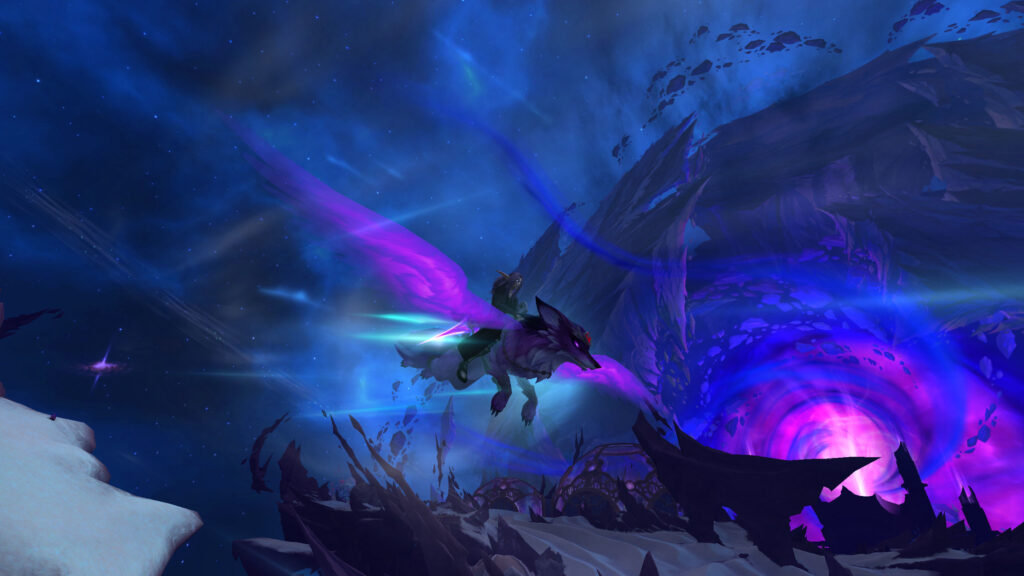
These zones stand as a parallel endgame path, offering meaningful difficulty without sacrificing flexibility or accessibility.